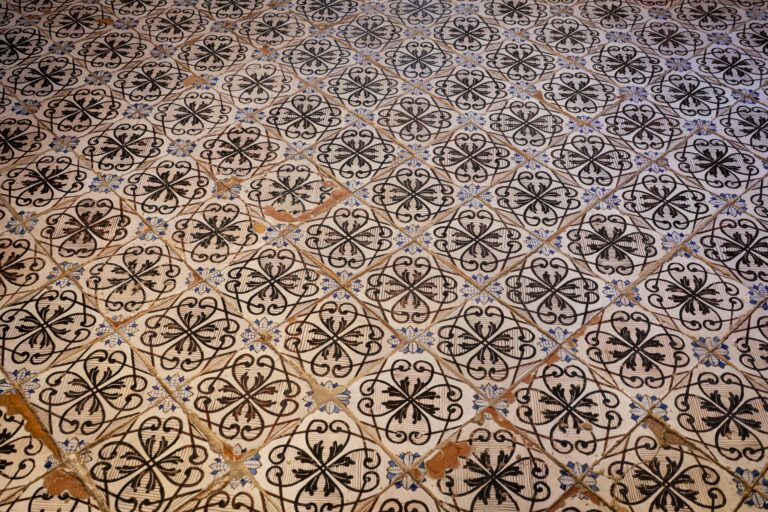
10 Common Problems with Incorrect Tile Installation
The Most Common Tile Installation Problems Tile installation issues usually stem from missed steps, rushed work, or lack of precision at key points in the


Bathroom renovations are known for budget surprises because so much of the work is hidden behind tile, walls, floors, and fixtures. You may start with a clear plan for new tile, a better shower, or an updated layout, only to find damage or outdated systems once demolition begins. The biggest cost changes usually come from necessary repairs before the finished bathroom can be installed, and typically fall in one of these 4 categories:
The Tile Genie provides custom tile installation and bathroom remodeling services for homeowners throughout the Oklahoma City area, with experience that goes beyond installing the finished tile. Our team understands how subfloor condition, waterproofing, plumbing, drainage, ventilation, layout, and surface preparation all affect the cost and durability of a bathroom remodel. By evaluating the entire project rather than just the visible finishes, we can help homeowners build a more realistic budget and make informed decisions before and during renovation.
Bathrooms pack plumbing, electrical systems, ventilation, waterproofing, fixtures, and finished surfaces into a relatively small space. Much of that work is hidden, which means some problems cannot be fully evaluated until the old tile, flooring, fixtures, or wall materials are removed. Demolition may reveal water-damaged subflooring, failed waterproofing, aging plumbing, inadequate electrical work, or previous repairs that need to be corrected before the remodel can continue.
That does not mean every bathroom remodeling is destined to go over budget. It does mean a realistic estimate should account for more than the materials you can see. Demolition, preparation, waterproofing, installation, finish work, and the possibility of necessary repairs should all be considered from the beginning. An experienced contractor cannot predict exactly what is behind every wall or floor, but they can recognize warning signs, explain where uncertainty exists, and help you prepare for potential changes before they become major budget problems.
Most unexpected bathroom renovation costs fall into a few predictable categories. Some are caused by conditions that could not be fully seen before demolition, while others come from design or scope decisions made after work has started. Knowing where costs are most likely to change can help you build a more realistic budget and make better decisions before the project is underway.
Moisture is one of the main reasons bathroom renovations end up costing more than you budgeted for. Small leaks around a toilet, shower, tub, drain, or supply line often go unnoticed and can cause damage long before it becomes a major problem. Many times this is not found until the old flooring, tile, or drywall has been removed. That’s when the contractor may find a swollen and warped subfloor, backer board behind a shower that has been damaged, mold concerns, or framing issues that all must be repaired before being covered back up.
This type of damage cannot be ignored. Properly installed tile needs a solid, stable surface. If the damaged subfloor or wall materials are soft, uneven, or weakened by water damage, the tile on the finished floor or walls may crack, shift, or fail.
What started out as a simple project to update the tile can quickly become major repairs to the subfloor, walls, or framing and mold-related cleanup before the new materials can be installed. While not the most exciting aspects of your project, they are critical if you want the finished bathroom to hold up.
Depending on the age of the house, a bathroom demolition can reveal much older electrical or plumbing systems that no longer fit the project. Plumbing lines, for example, may be corroded, placed in inconvenient routes, or patched from earlier work. Shower valves often need replacement, drains may not line up with the new layout, and current electrical wiring may not be enough to support new lighting, outlets, mirrors, heated floors, or an upgraded exhaust fan.
While some of these issues are discovered during demolition, others can appear when a homeowner decides to relocate fixtures. Replacing a vanity in the same location is usually much simpler than moving it across the room, and keeping a toilet where it is will usually cost less than relocating the drain. Moving a shower, tub, or vanity can involve opening walls or floors, rerouting lines, and repairing the areas affected by that work.
Proper ventilation is a must and can affect the budget. If the existing exhaust fan is weak or missing, it will need to be replaced. Often in the course of a remodel the contractor will discover that an exhaust fan is vented incorrectly and that must also be fixed to protect the new materials and other parts of the house from moisture problems later.
Showers are one of the most common areas that can cause bathroom project budgets to balloon because so much depends on what is found behind the tile. Homeowners often think of a shower remodel as removing the old tile or tub and shower surround and simply installing new tile, but the tile is only one layer of the entire area.
A properly built shower needs the right backing materials, waterproofing, slope, drain connection, and installation process. Tile and grout help finish the surface, but they are not waterproof by themselves. Grout is highly porous and can easily absorb water, allowing moisture to seep through. If the old shower was not waterproofed correctly, water may have reached the walls, framing, or subfloor over time.
This is why a shower project can expand once demolition starts. Your contractor may find missing waterproofing, inadequate backer board, a damaged shower pan, poor drainage, loose tile, or water damage around the edges or corners. With these problems, replacing the surface tile is not enough; the shower will need to be rebuilt correctly from the inside out.
Hidden damage isn’t the only thing that can cause a budget surprise. Some budget increases come from decisions that you might make after the project is already started. Scope changes can include moving fixtures, adding a shower niche or bench, choosing a more complex tile pattern, changing the grout color, switching to different materials, adding accent walls, or expanding the project once the bathroom is torn apart. These changes might seem small when considered one at a time, but they affect labor, materials, scheduling, layout, and installation details, and those costs can add up, especially if you make several changes.
Tile choices can also affect the amount of labor required. Large-format tile, small mosaics, herringbone patterns, diagonal layouts, detailed niches, and rooms with uneven walls or floors all require more planning and precision cuts and installation. The best way to avoid this type of surprise is to make as many decisions as possible before work begins and price any changes before the work moves forward.
You may not be able to prevent every potential problem that comes with a bathroom renovation, but you can plan your project in a way that keeps surprises manageable.
A well-planned bathroom remodel leaves room for the condition of the existing space, not just the cost of the new one. The Tile Genie helps Oklahoma City-area homeowners plan and complete bathroom renovations with careful attention to demolition, preparation, repairs, waterproofing, tile installation, and the details that affect the finished result. If you are considering a bathroom remodel, contact The Tile Genie to schedule a consultation and build a project plan based on what your bathroom actually needs, not just what you want to change.
The Most Common Tile Installation Problems Tile installation issues usually stem from missed steps, rushed work, or lack of precision at key points in the
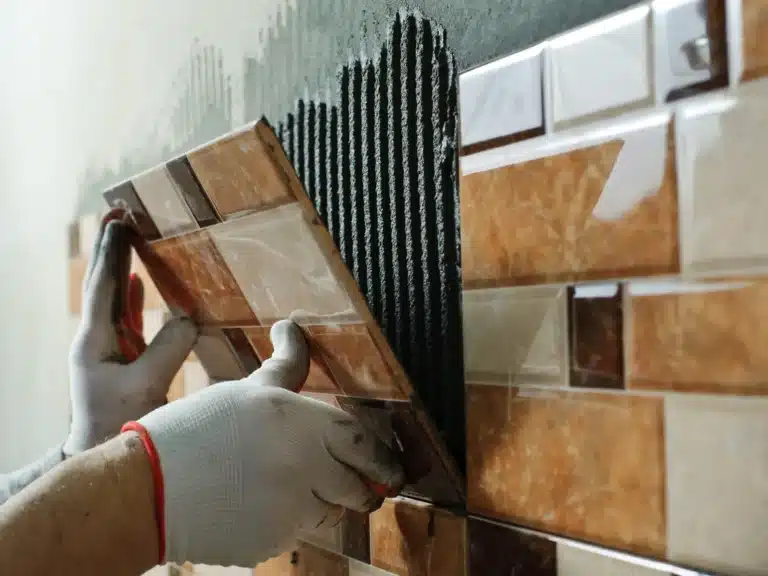
Tile Installation Costs Explained The average cost per square foot of a tile installation project can vary widely; on the low end you might see

Tile Genie Hits the Track! This past weekend, Tile Genie traded trowels for tire tracks as we proudly sponsored the #14 car at the NASCAR