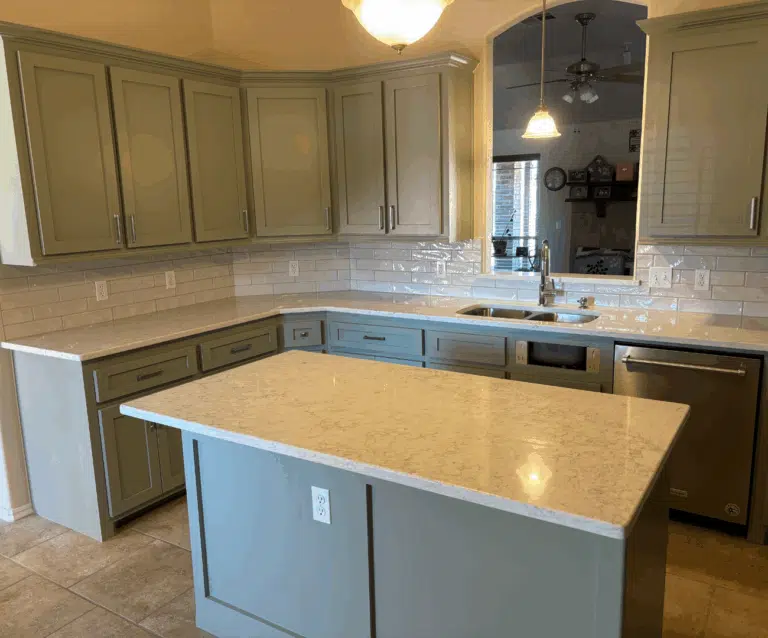
Kitchen Remodel
What Homebuyers Notice First in Kitchen Renovations
Homebuyers often form an opinion about a kitchen within seconds, and that impression is usually shaped by the surfaces and finishing details throughout the space

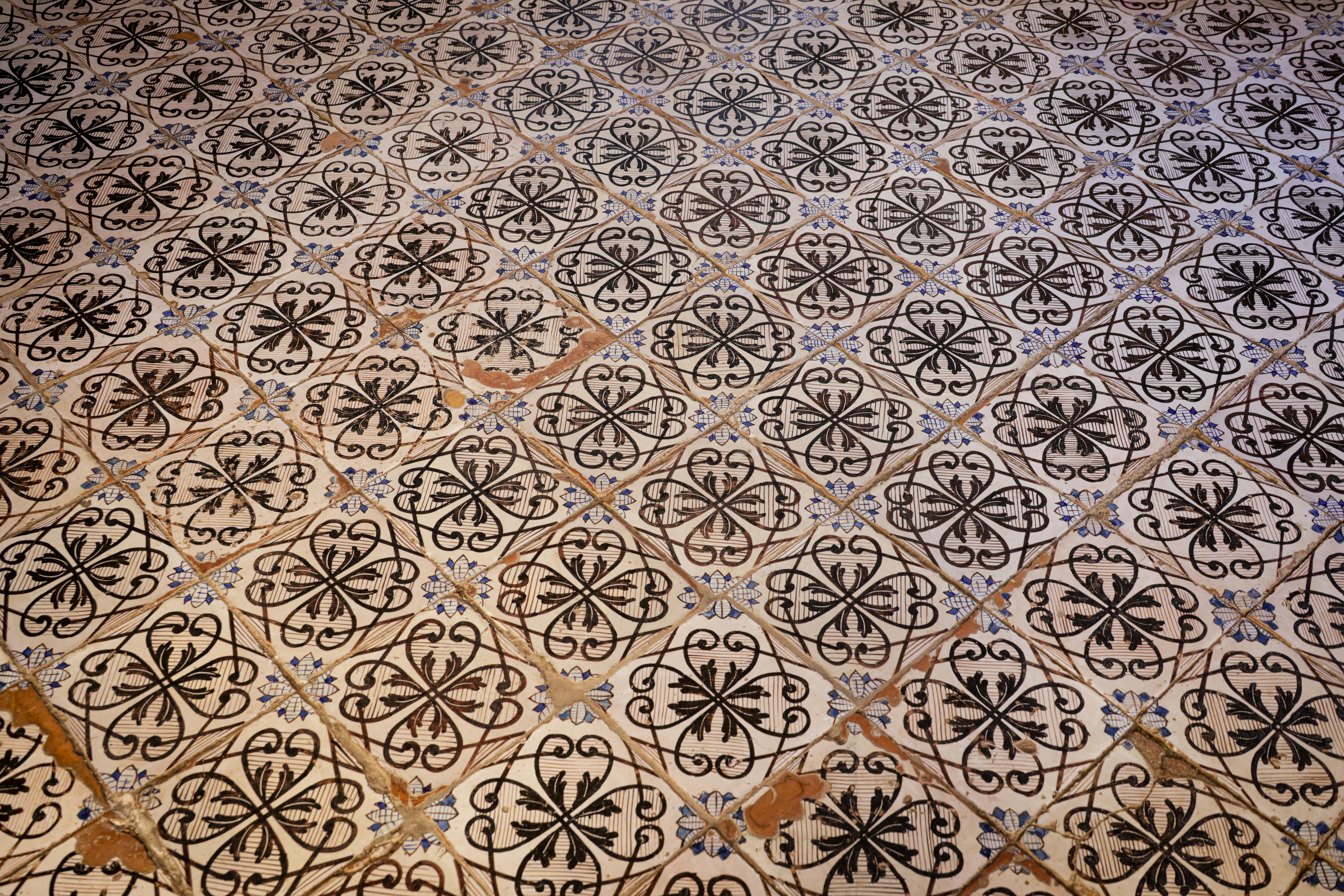
Tile installation issues usually stem from missed steps, rushed work, or lack of precision at key points in the process. Because each phase of an installation builds on the last, even small mistakes can affect how the tile looks, feels, and holds up over time. Here are 10 of the most common problems that can occur when tile isn’t installed correctly:
When tile installation isn’t handled correctly, the results can be frustrating, but they’re also preventable with the right approach. At Tile Genie, we bring the experience and consistency needed to manage tile projects the right way from the start. Our team works through each phase with a clear plan, steady process, and attention to detail, helping ensure your tile project not only looks the way you expect but performs the way it should. It’s a straightforward approach focused on getting the job done right and avoiding the kinds of issues that can come from missed steps or inconsistent workmanship.
Tile projects involve a lot more than just setting tile in place. From selecting the right material and planning the layout to preparing the surface, choosing the correct adhesives, and finishing with grout and sealant, every step plays a role in how the final result looks and performs. Each decision builds on the last, which means small missteps early on can affect everything that follows.
Because of that, tile installation is a detail-driven process where experience and precision matter at every stage. Whether a project is handled as a DIY job or completed by someone without the right level of experience, there are multiple points where things can go off track. These aren’t always immediate or obvious issues, but over time, they can impact durability, appearance, and even lead to additional repairs or unexpected costs.
Tile is only as strong as the surface beneath it. If the subfloor or wall surface isn’t properly cleaned, leveled, and stabilized, the installation won’t have a reliable foundation.
When prep work is rushed or skipped, installers may set tile over uneven, dirty, or flexible surfaces. Proper preparation should include leveling the substrate, securing loose areas, and ensuring the surface is clean and ready to bond.
A poorly prepared installation surface can lead to:
Before a single tile is set, the layout should be mapped out to ensure balanced spacing, consistent cuts, and a visually clean finish.
Without proper planning, installers may start in the wrong place or fail to account for how the tile will meet walls, corners, or transitions. A well-planned layout centers the design, minimizes small cuts, and keeps grout lines consistent throughout.
Failing to properly plan the tile installation layout can result in:
Lippage occurs when adjacent tiles are not set at the same height, creating an uneven surface. This is often the result of improper leveling, inconsistent mortar application, or rushing the installation.
A proper installation uses leveling systems, consistent pressure, and careful placement to ensure tiles sit flush with one another.
Lippage in your tile installation can lead to:
Not all tile adhesives are the same. Different tile materials, sizes, and environments require specific types of mortar and application techniques.
Using the wrong mortar—or applying too little—can prevent proper bonding. Correct installation involves selecting the appropriate mortar, using the right trowel size, and ensuring full coverage beneath each tile.
When mortar isn’t applied adequately or appropriately, you can end up with:
Tile cuts are where craftsmanship becomes most visible. Around edges, corners, fixtures, and transitions, clean cuts are essential for a polished look.
Improper tools or rushed cutting can result in chipped edges, uneven lines, or gaps. Proper technique involves using the right equipment and taking time to achieve precise, smooth cuts.
Tiles that are improperly cut and/or finished can result in:
Grout plays both a functional and aesthetic role. It helps stabilize tile, protects edges, and defines the overall look of the installation.
When grout is mixed incorrectly, applied unevenly, or not given proper curing time, it can shrink, crack, or discolor. Proper grout work involves consistent spacing, correct mixing ratios, and careful application.
Properly applied grout helps avoid:
Certain tile types and most grout benefit from sealing to protect against moisture and staining. Skipping this step—or applying sealer incorrectly—can leave surfaces vulnerable.
Proper sealing involves using the right product for the material and applying it evenly after grout has fully cured.
Without the right sealing for your tile installation, you may notice:
In spaces like showers, tub surrounds, and backsplashes, waterproofing is critical behind the tile, not just on the surface.
Incorrect installation may rely on tile and grout alone to block moisture, but that’s not their role. Proper systems include waterproof membranes or backer boards designed to prevent water intrusion.
Insufficient waterproofing of tile installations in wet areas can lead to:
Tile installation involves multiple stages–including prep, layout, setting, grouting, and curing–and each step requires time to be done correctly.
When a project is rushed, important steps like proper curing time for mortar and grout may be shortened or skipped. A well-executed installation follows the full process without cutting corners.
Rushing a tile installation can lead to:
Even when the technical work is done correctly, the final result can still miss the mark if expectations aren’t clearly aligned from the start.
This includes layout direction, pattern choices, grout color, and how the tile interacts with the rest of the space. A proper project management process includes clear planning, discussion, and confirmation before installation begins.
Failing to communicate about design choices and expectations can result in:
Proper tile installation involves a series of technical decisions that aren’t always visible in the finished product but have a major impact on how well it performs. Factors like material compatibility, expansion and movement, moisture exposure, and proper bonding all need to be accounted for before and during installation. Even something as simple as tile size or pattern choice can change how the project should be approached.
From removal and prep work to layout, setting, and finishing, every part of the project plays a role in how the tile looks and how well it holds up over time. When those steps are done carefully and in the right order, the result is a surface that feels solid, looks clean, and performs the way it’s expected to.
An experienced installation team understands how all of these pieces work together and knows how to keep the process consistent from start to finish. That means properly preparing the surface, planning a layout that works for the space, using the right materials, and allowing enough time for everything to set and cure as intended. It also means catching potential issues early, before they turn into something more noticeable or more expensive to fix later on. Having a clear plan and a steady approach throughout the project goes a long way in avoiding many of the common problems that can come with tile work.
At Tile Genie, we handle tile installation as a complete service, managing every step with attention to detail and a focus on getting it done right the first time. Our goal is to deliver a finished result that looks the way you expect and holds up the way it should.
A well-done tile installation should come together cleanly, function the way it’s supposed to, and hold up to everyday use without issues. Taking the time to get each step right—from prep to finishing—makes a noticeable difference in both the look and longevity of the final result. If you’re planning a tile project and want it handled the right way from start to finish, the team at Tile Genie is here to help. Contact us today for a free quote and take the next step toward a finished space you can feel confident in.
Homebuyers often form an opinion about a kitchen within seconds, and that impression is usually shaped by the surfaces and finishing details throughout the space
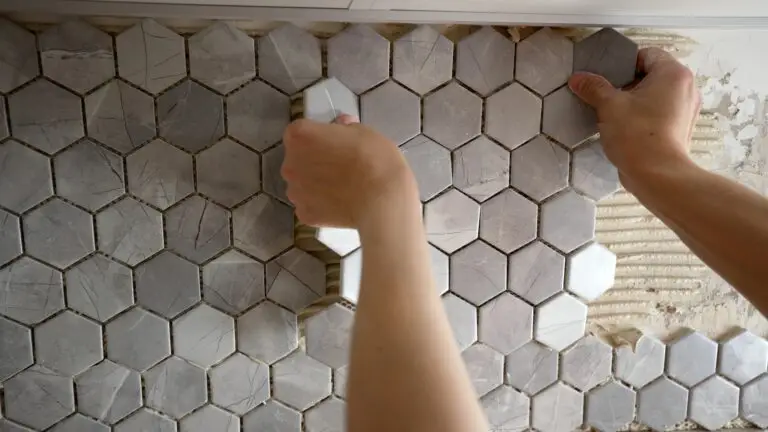
Great Tile Designs for Smaller Bathrooms Tile layout has a major impact on whether a small bathroom feels open and cohesive or cramped and visually
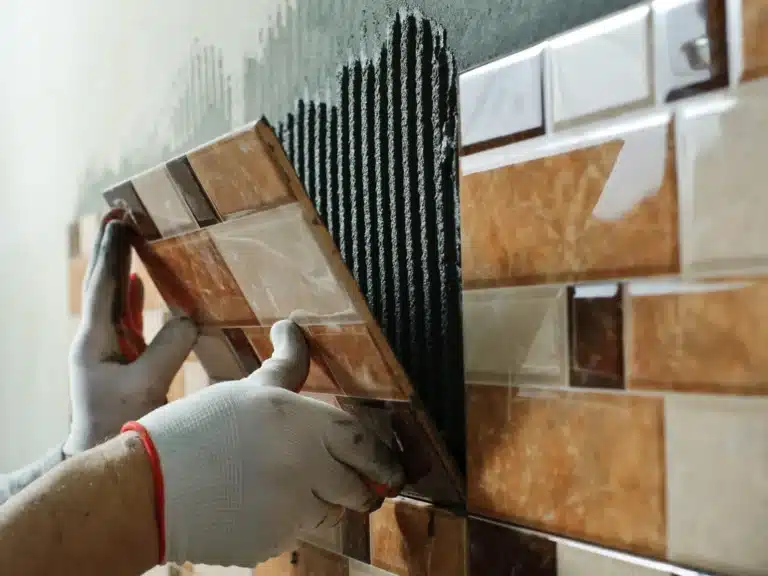
Tile Installation Costs Explained The average cost per square foot of a tile installation project can vary widely; on the low end you might see