
Tile Installation
10 Common Problems with Incorrect Tile Installation
The Most Common Tile Installation Problems Tile installation issues usually stem from missed steps, rushed work, or lack of precision at key points in the

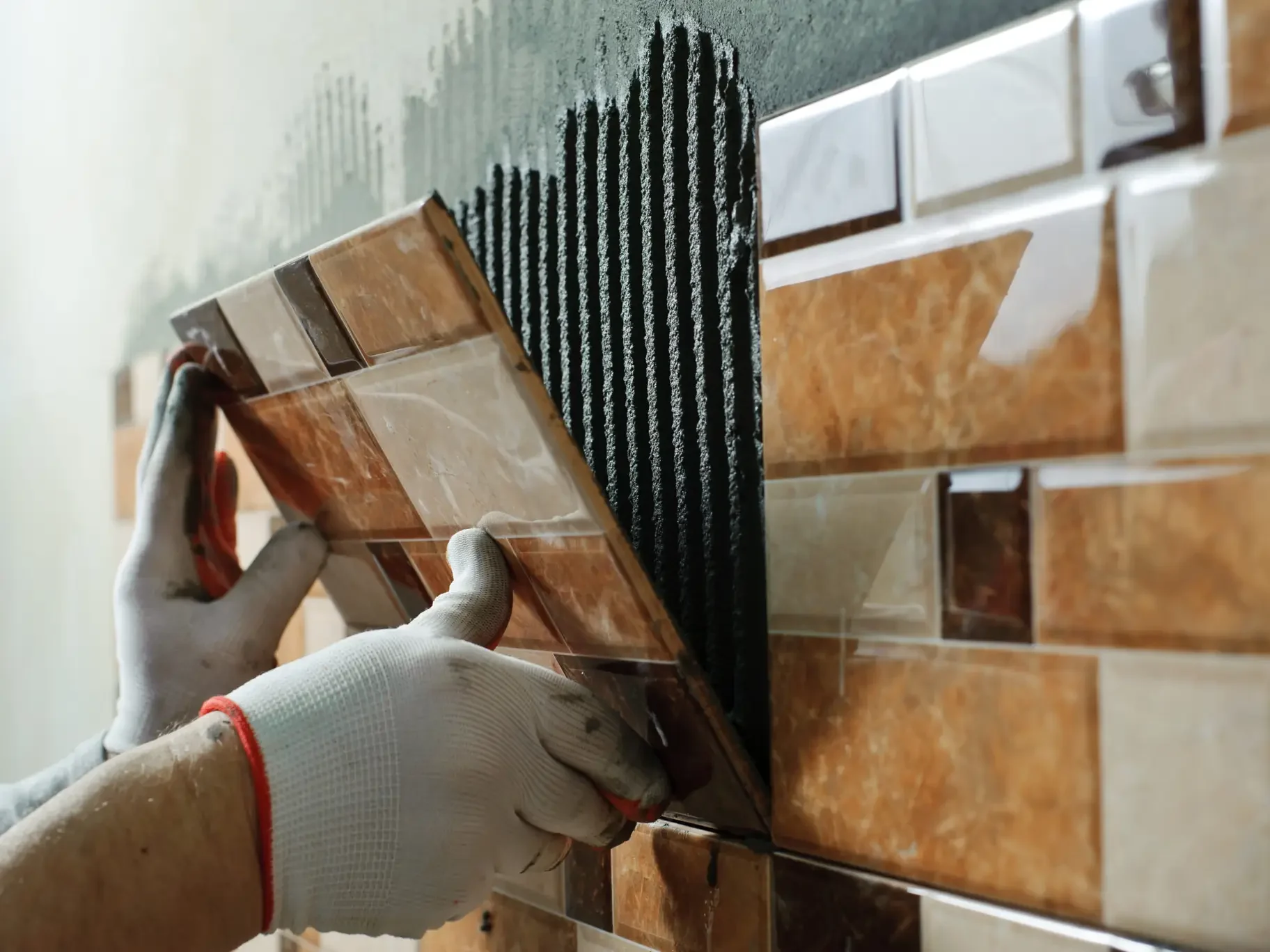
The average cost per square foot of a tile installation project can vary widely; on the low end you might see around $5 per square foot, and on the high end up to $150 per square foot or more. That range covers everything from the most budget-friendly tile through to truly premium materials, and the numbers are estimates, with availability, material choices, and the installation complexity all playing big roles in pricing. To budget effectively for your tile installation project, you’ll want to know the size of the space, account for about 10-15 % extra for waste, pick your materials, and get a detailed quote. And if you’re in the mood to splurge, you can, just perhaps focus on a smaller area and choose a top-tier tile.
The beauty of tile lies in its versatility, capable of elevating any space, from a small backsplash to a full-floor renovation, and with the right planning, every square foot can deliver both style and value. The Tile Genie is proud to be a locally owned company with deep roots in Oklahoma and decades of experience in construction, remodeling, and tile installation. Our team brings the kind of craftsmanship and foresight that keeps projects on schedule, on budget, and on point, no matter the size or complexity. With transparent pricing, detailed estimates, and clear communication at every step, we help homeowners make informed decisions that stretch their budget without compromising on quality.
When you get a quote for tile installation, that number represents more than just the tile itself. It reflects the combined cost of materials, labor, and the time and care needed to complete your project. Each factor can shift the total in different ways depending on your design, the layout, and the size of the space. Understanding what drives those costs makes it easier to plan and get the results you want within budget.
The larger the floor or wall area you’re covering, the more tiles, more underlayment, more cuts, more labor, and that all adds up. If the space has many nooks, corners or irregular shapes, the time and waste go up. One cost-saving tactic: focus on a smaller area—maybe just a backsplash instead of every wall—and then later expand if you like how it looks.
Some tile types give you big style at modest cost, like vinyl tile, standard ceramic or porcelain. Others—like glass, natural stone, quartz—deliver a more luxury look, usually at a more luxury cost. Price tags also shift with supply and demand, shipping costs, manufacturing complexity, and even tile size. Smaller tiles cost less per piece, but might require more cutting and take more labor, while large format tiles cover more area but can be pricier and require more care in installation.
Beyond tile itself you’ll need grout, adhesive (mortar), maybe backer board or underlayment, and possibly sealants. How much you spend here depends on the size of your project, the substrate condition, and how complicated the installation area is (i.e., floor vs wall, new construction vs remodel, etc.).
Simple, neutral rectangular tiles cost less to install than ornate or custom patterns. If you opt for a herringbone, chevron or multi-tile mosaic layout, expect the cost to go up, thanks to more cuts, more labor precision, more planning. That said, if you’re looking for a distinctive look, sometimes the extra investment pays off in aesthetics and in home value.
The hands-on work is the final and perhaps most important piece in any tile installation, which includes measuring, prepping the substrate, laying the tile accurately, grouting, sealing, and cleaning up. Skilled labor costs more, and for good reason: a professional job means fewer mistakes, longer lifespan, and better appearance. If you try to DIY it to save money, watch out: mistakes can cost you more in the long run.
While no two tile projects are exactly alike, it’s helpful to have some benchmarks. Actual costs will depend on factors like region, availability, and the specifics of your space and project, but average price ranges can help set realistic expectations.
(These are material costs only—labor and preparatory work add more.)
Again: the actual cost of your tile installation project will depend on tile selection, layout complexity, and labor.
A well-planned budget is the foundation of any successful tile project. Taking time to understand where your money goes—materials, labor, and design—can help you make smarter choices and avoid costly surprises. With the right approach, you can strike a perfect balance between quality, style, and value.
Begin by exploring your material options and getting tiered pricing (budget vs mid- vs premium). Choose a few favorites so you’re not locked in too early. Once you decide on a tile, multiply the cost per square foot by your area to get a base number.
Measure carefully—twice ideally. For simple rectangle or square rooms, its length × width. For odd shapes (L-shaped, triangles, alcoves) break them into simpler zones and add them up. It’s always better to estimate a little high than under-measure.
Tile wastage from cuts, mis-fits, and breakage can be a significant cost. Add approximately 10% extra for simple layouts, 15% for complex ones. For example: if you need to tile 50 sq ft, at 10% extra you’d plan for 55 sq ft worth of tile.
Use the consultation to ask questions: What materials are included? What waste percentage is assumed? What’s the timeline? What’s the surface prep involved? Get at least two estimates if you can. A more detailed quote shows the contractor knows their stuff and helps you compare more fairly.
If you’ve got some budget wiggle room, here are good places to invest your extra funds:
One of the smartest ways to protect your budget—and your peace of mind—is by choosing an experienced, detail-oriented tile installer. A skilled, seasoned professional brings years of craftsmanship, precision, and careful planning to every step of the process, helping you avoid costly mistakes and unnecessary rework. From clear, itemized estimates to thoughtful scheduling and open communication, their attention to detail ensures your project stays on track and your money goes toward lasting quality, not corrections. They’ll identify potential challenges before they become expenses, minimize waste, and stand behind their workmanship, giving you better results and fewer surprises.
When you partner with The Tile Genie, you’re choosing more than skilled tile installers—you’re choosing professionals who understand how to make the most of every square foot of your investment. Whether you’re refreshing a small space or planning a full remodel, we approach every project with the same dedication to precision, transparency, and lasting quality. Our team works closely with you to plan efficiently, minimize waste, and ensure you always know exactly what you’re paying for and why.
Schedule your free consultation today to see how The Tile Genie can help you transform your space beautifully, efficiently, and within budget.
The Most Common Tile Installation Problems Tile installation issues usually stem from missed steps, rushed work, or lack of precision at key points in the

Tile Genie Hits the Track! This past weekend, Tile Genie traded trowels for tire tracks as we proudly sponsored the #14 car at the NASCAR
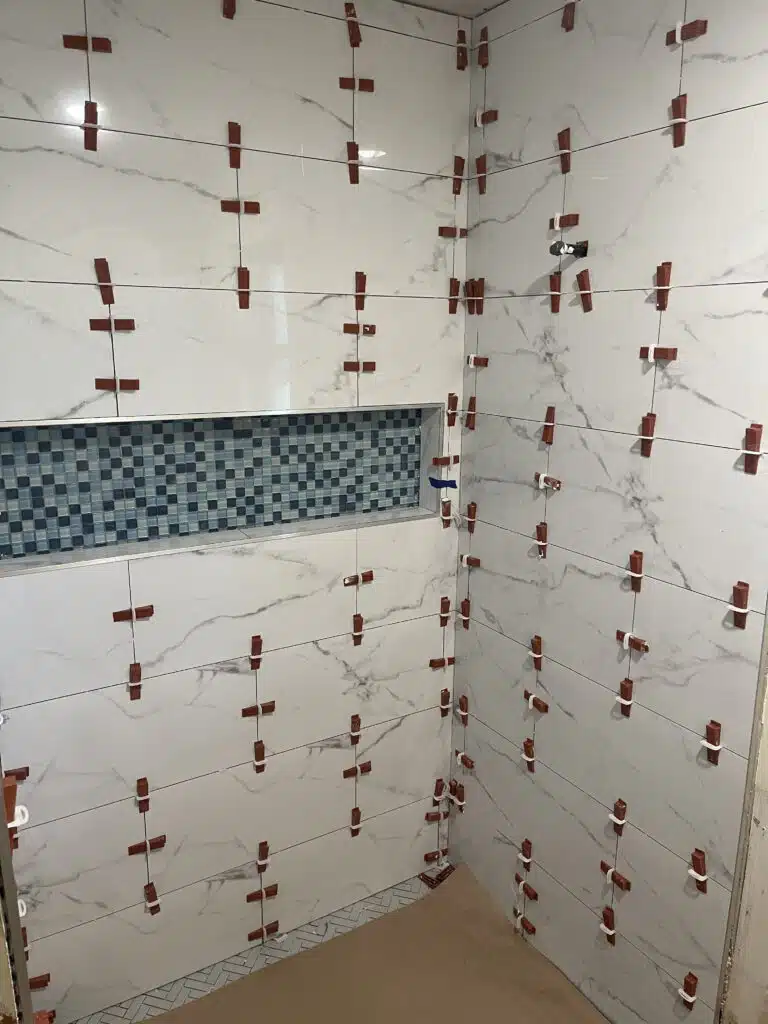
The Tile Genie’s Proven Process for Perfect Tile Installation Professional tile installation is essential for achieving a beautiful, durable result that performs well over time.